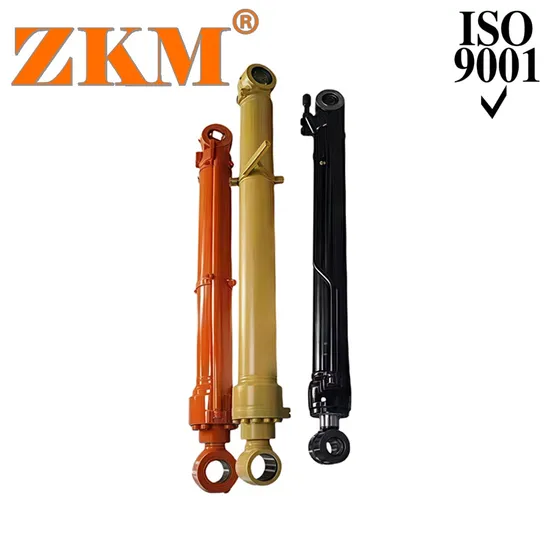
Hydraulic seals are pretty much the unsung heroes in any hydraulic system. They keep the fluids where they’re supposed to be and help prevent leaks — which, trust me, is a big deal. According to the International Fluid Power Society, if you pick the wrong seals or don’t choose wisely, it can lead to system failures, messing up productivity and even safety. Actually, industry reports say about 15% of hydraulic system breakdowns are due to poor sealing choices, which is quite a chunk when you think about it.
So, picking the right hydraulic seal isn’t just about grabbing whatever’s available. You’ve got to consider things like what material works with your fluids and what pressure your system runs at. Sadly, a lot of companies skip over these details, only to face costly downtime or damaged equipment down the line. It’s not just about choosing the right type of seal either — you need to think about the specific needs of your application. Even though brands like Parker Hannifin and SKF have tons of options, the whole selection process can honestly be pretty overwhelming.
Having some expertise on hydraulic seals really makes a difference. It’s worth talking to suppliers who actually understand what you’re dealing with — they can offer insights that save you headaches later on. Going for a tailored solution can mean the difference between a reliable setup and constant trouble, which too often Gets overlooked. Sure, technical specs are important, but in the end, real-world experience really helps you make smarter choices. Trust me, it’s all about finding what actually works in your specific situation.

What are Hydraulic Seals? A Comprehensive Overview
Hydraulic seals play a crucial role in various industrial applications. They are designed to prevent fluid leakage, ensuring the smooth operation of hydraulic systems. These seals can be found in machinery, vehicles, and even household appliances. Hydraulic seals come in different shapes and materials, each suited for specific conditions. For instance, some seals work better under high pressure, while others excel in preventing wear and tear. The choice of material is essential, as it directly affects the seal’s durability and performance.
Understanding how to choose the right hydraulic seal is complex. Factors such as temperature, pressure, and the type of fluid involved must be considered. Many operators make mistakes by focusing solely on one aspect, like the size. However, it’s critical to evaluate the entire system. For instance, China Hydraulic Seals are known for their reliability, but choosing the wrong type can lead to frequent failures.
Moreover, users often overlook the importance of installation. A poorly installed seal can cause significant issues, including premature wear. Reflection on past experiences can highlight areas for improvement. Making informed decisions requires gathering knowledge and considering multiple factors. Making choices based solely on cost can result in undesired outcomes over time.
Types of Hydraulic Seals and Their Applications in Industry
Hydraulic seals play a crucial role in various industries, ensuring fluid containment and preventing leaks. Different types of hydraulic seals are designed for specific applications. Understanding these seal types can greatly influence your operational efficiency.
O-rings are one of the most common hydraulic seals. They provide an excellent barrier against leakage. These seals are versatile and can fit numerous configurations. T-seals are ideal for rods and pistons. They excel in dynamic applications, providing constant contact with the surface. Furthermore, backup rings enhance the O-ring's performance, preventing extrusion in high-pressure settings.
Tips: Always consider the operating temperature range. This will affect the seal's material choice. Often, users overlook this aspect, leading to seal failure. It’s wise to consult industry guidelines for recommended materials.
V-ring seals help in preventing contamination in hydraulic systems. They are simple in design but effective. However, they may not suit every hydraulic setup. Each application's unique requirements should be taken into account. Regular maintenance checks can help identify any signs of wear early, preventing costly downtimes.
Key Materials Used for Manufacturing Hydraulic Seals
Hydraulic seals are crucial components used to prevent fluid leakage in hydraulic systems. The effectiveness and durability of these seals depend significantly on the materials used in their manufacturing. Common materials include rubber, polyurethane, PTFE, and elastomers. Each of these materials offers distinct advantages and is suited for specific applications.
Rubber seals are often chosen for their elasticity and resistance to wear. They can cope with moderate temperature variations, making them useful in various environments. However, they might not perform well under extreme temperatures or aggressive chemicals. Polyurethane is stronger and provides excellent abrasion resistance but may struggle with heat stability in certain applications.
PTFE seals are known for their high chemical resistance and low friction properties. However, they can be prone to wear under high loads. The choice of material should reflect the operational environment, pressure, and temperature. Evaluating these characteristics can be challenging, leading to choices that might not suit every condition. Understanding these aspects can greatly influence the performance and longevity of hydraulic seals in your systems.
Understanding the Pressure Ratings of Hydraulic Seals
When considering hydraulic seals, understanding their pressure ratings is vital. Pressure ratings determine how much pressure a seal can withstand without failure. This specification is crucial for the longevity of equipment in various applications.
Choosing the right hydraulic seal involves assessing the operating pressure. Each application presents unique challenges and conditions. A seal rated for low pressure may fail in high-pressure environments. This misuse can lead to leakage and costly downtime. To avoid complications, engineers must evaluate the specific requirements of their systems.
It’s important to consider environmental factors as well. Temperature can greatly influence a seal’s effectiveness. For example, extreme heat can alter the material properties. In many cases, individuals overlook these variables. They tend to focus solely on pressure ratings. A well-rounded approach to selection ensures better performance and reliability.
Understanding the Pressure Ratings of Hydraulic Seals
Factors to Consider When Selecting Hydraulic Seals
Selecting the right hydraulic seal can significantly impact the efficiency of hydraulic systems. Factors such as pressure, temperature, and fluid compatibility play a crucial role in making the correct choice. According to industry reports, approximately 50% of hydraulic system failures stem from seal failure. Understanding the specific application can help in avoiding such costly mistakes.
When examining hydraulic seals, consider the operating environment. High temperatures demand materials that can withstand thermal expansion. For instance, polyurethane seals are often recommended for temperatures up to 80°C. On the other hand, if your system operates under extreme pressure, options like PTFE can provide better resilience. Additionally, fluid compatibility is critical. Using a seal incompatible with hydraulic fluid may lead to swelling or degradation, resulting in leaks.
Another important aspect is the dimensions and tolerances of the sealing element. A poor fit can lead to premature failure. Industry findings suggest that maintaining proper tolerances can enhance seal life by up to 30%. While options in the market are abundant, always consult with experts or reliable suppliers in Wholesale Hydraulic Seals to ensure the best choice for your specific requirements. A little research can help prevent costly downtimes.
Common Challenges and Solutions in Hydraulic Seal Performance
Hydraulic seals play a critical role in machinery. Their performance can be affected by various challenges. A common issue is wear and tear. This often occurs due to inadequate lubrication or poor material selection. When seals wear out, leaks can develop, leading to system failures. Addressing these issues promptly can prevent costly downtime.
Another challenge arises from temperature fluctuations. High temperatures can degrade seal materials, while low temperatures can cause brittleness. It is essential to select seals that can withstand the specific operating conditions of your system. Consulting with a knowledgeable Hydraulic Seals Supplier ensures you choose the right materials for your application.
Improper installation may also lead to performance issues. Even the best seals will fail if not installed correctly. Take the time to follow installation guidelines carefully. Training and expertise in this area can help reduce mistakes. Understanding these challenges allows for better planning and selection of hydraulic seals, ensuring reliability in your operations.
What is Hydraulic Seals and How to Choose the Right One? - Common Challenges and Solutions in Hydraulic Seal Performance
| Seal Type | Material | Operating Pressure (MPa) | Temperature Range (°C) | Common Challenges | Solutions |
| O-Ring Seals | Nitrile Rubber | 25 | -40 to 100 | Extrusion and Deformation | Use backup rings and avoid high pressures. |
| Hydraulic Piston Seals | Polyurethane | 35 | -30 to 80 | Wear and Abrasion | Select materials with higher abrasion resistance. |
| Rod Seals | Fluorocarbon | 20 | -20 to 200 | Leakage | Inspect installation accuracy and consider dual seals. |
| Composite Seals | Composite Materials | 30 | -40 to 120 | Temperature Fluctuations | Use seals designed for wide temperature ranges. |
Best Practices for Installing and Maintaining Hydraulic Seals
Installing and maintaining hydraulic seals requires careful consideration and attention to detail. Hydraulic seals play a critical role in preventing fluid leakage and ensuring efficient operation. According to a report by the Fluid Power Association, improper sealing can lead to up to 10% energy loss in hydraulic systems, underlining the importance of quality seals and correct installation techniques.
When installing hydraulic seals, cleanliness is paramount. Dirt and debris can compromise seal integrity. Ensure that all surfaces are meticulously cleaned before assembly. Utilizing proper tools for installation will minimize the risk of damaging the seals. A study from the International Fluid Power Society indicated that approximately 20% of hydraulic seal failures stem from improper installation procedures. Thus, following the manufacturer’s guidelines is crucial for longevity.
Ongoing maintenance is equally important. Regular inspections should be part of a preventive maintenance program. Look for signs of wear or deterioration, which can signal potential failures. Interesting data from research conducted by the Society of Automotive Engineers points out that effective maintenance can reduce seal replacement costs by over 30%. Engaging a reputable Hydraulic Seals Manufacturer for high-quality products can further enhance operational efficiency and durability in hydraulic systems.
Analyzing the Market Demand and Performance Metrics for Heavy Duty Knuckle Boom Cylinder Hydraulic Bucket Arm Cylinders in Excavator Applications
The heavy-duty knuckle boom cylinder hydraulic Bucket arm is an integral component in excavator applications, designed to enhance the effective performance of material handling tasks. Recent market analyses indicate a growing demand for these sophisticated hydraulic systems, driven by the expanding construction and mining sectors. According to a report by Market Research Future, the global excavator market is projected to reach USD 60 billion by 2026, with a compound annual growth rate (CAGR) of 4.5%. This surge is expected to directly influence the demand for hydraulic systems, as efficient and robust machinery becomes essential to compete in an increasingly demanding operational landscape.
Performance metrics for hydraulic bucket arm cylinders are critical in driving purchasing decisions. Key factors include lifting capacity, speed, and durability under extreme conditions. Studies reveal that hydraulic systems with advanced features such as telescoping arms and increased articulation can enhance maneuverability and reduce cycle times by an average of 20%. Furthermore, as sustainability becomes a vital focus within the industry, manufacturers are increasingly prioritizing eco-friendly hydraulic solutions that minimize energy consumption while maintaining high-performance standards. The integration of advanced technologies, such as smart sensors, has further improved performance metrics, ensuring that these hydraulic cylinders provide optimal efficiency and reliability in various applications.
In summary, the ongoing evolution within the heavy-duty knuckle boom cylinder segment underscores the importance of innovation and efficiency in excavation operations. As construction and mining industries continue to expand, the demand for high-performance hydraulic systems is expected to grow significantly, presenting opportunities for manufacturers to develop cutting-edge solutions that cater to industry needs.
FAQS
: Hydraulic seals are essential for fluid containment and preventing leaks in industry applications.
An O-ring is a common seal type. It effectively prevents leakage and fits various configurations.
T-seals excel in dynamic applications. They maintain constant contact with surfaces in rods and pistons.
Backup rings prevent extrusion in high-pressure settings, improving O-ring performance significantly.
Common materials include rubber, polyurethane, PTFE, and elastomers. Each material serves specific applications.
Consider pressure, temperature, and fluid compatibility for the best seal performance.
Yes, extreme temperatures can lead to seal failure. Choose materials suited for the operating range.
Incompatible seals may swell or degrade, leading to leaks and system failures.
Regular checks help identify wear early, preventing costly downtimes due to unexpected failures.
A poor fit can cause premature failure. Maintaining correct tolerances can extend seal life by 30%.
Conclusion
Hydraulic seals play a critical role in preventing fluid leaks in hydraulic systems, ensuring system efficiency and reliability. This article provides a comprehensive overview of hydraulic seals, detailing their various types and applications across different industries. It emphasizes the importance of selecting the right seal based on pressure ratings, the materials used for manufacturing, and specific operational factors.
Moreover, the article addresses common challenges faced in hydraulic seal performance, offering practical solutions to enhance longevity and functionality. Best practices for installation and maintenance are also highlighted, ensuring that users can maximize the effectiveness of hydraulic seals in their systems. Understanding these elements is essential for anyone involved in fluid power applications, fostering better decision-making and improved hydraulic system performance.