You know, when it comes to excavators, the tracks really make all the difference in both performance and how long they last. I’ve seen reports that say more than 30% of maintenance costs are actually tied to track problems—that's a pretty big chunk! Using high-quality excavator trackscan make a huge difference. They help cut down on downtime and keep things running smoothly. Big names like CAT and Komatsu stress the importance of sturdy materials and smart design to Get the job done right.
Lately, I’ve noticed a lot of folks favor tracks made from advanced polymers combined with reinforced steel. They seem to handle tough conditions better, offering good grip and extra stability. Of course, not every manufacturer hits these standards, which means some tracks tend to wear out faster than expected—leading to more replacements and added costs.
Picking the right tracks isn't something you should rush — considering the terrain you’ll be working on and how often your machine is used are key. In fact, research shows that choosing the right tracks can boost fuel efficiency by up to 15%. Still, surprisingly, a lot of operators don’t give this part the attention it deserves. Focusing on quality tracks can really pay off in the long run, helping your business stay reliable and successful in the end.

Understanding the Importance of Excavator Tracks in Construction
Excavator tracks play a crucial role in construction projects. They affect the machine's stability and mobility. Selecting the right tracks can enhance performance significantly. They must provide grip on various terrains. A durable track can reduce downtime and maintenance costs.
Understanding the material is key. Rubber tracks offer flexibility and are quieter on surfaces. Steel tracks are more robust and ideal for rough conditions. Each has its advantages and disadvantages. It’s essential to choose based on the specific job site requirements.
Over time, wear and tear can impact efficiency. Regular inspections help identify issues early. Operators must be trained to monitor track conditions. A small crack can lead to larger problems. Awareness of these details ensures smoother operations and better utilization of equipment.
Types of Excavator Tracks: Rubber vs. Steel
When choosing between rubber and steel excavator tracks, it's essential to understand their distinct characteristics and applications. Rubber tracks are known for their versatility and reduced damage to soft ground. They provide excellent traction on uneven surfaces and are quieter during operation. According to a report from the Construction Industry Research Board, rubber tracks decrease ground pressure by up to 50%. This allows for more effective work on sensitive sites.
Conversely, steel tracks excel in durability and longevity, especially in demanding environments. They can withstand harsh conditions and heavy loads better than rubber. An industry study revealed that steel tracks can last up to double the lifespan of rubber tracks when used in abrasive conditions. However, they can be more expensive to maintain due to regular wear and tear. Choosing the right excavator track type relies on the project specifics and environment.
Many professionals suggest balancing durability and performance. A reliable Excavator Tracks Supplier can offer guidance tailored to specific needs. Whether opting for rubber or steel, understanding these differences is critical for optimal machine performance. The choice impacts efficiency and operational costs significantly. Both materials have their merits, necessitating careful consideration based on the job’s demands.
Key Factors Influencing Performance of Excavator Tracks
When evaluating excavator tracks, several key factors come into play that significantly influence their performance. One crucial element is the material composition of the tracks. Studies indicate that rubber tracks generally offer better flexibility and shock absorption than steel tracks. This flexibility allows for smoother operation on uneven terrains, where rough surfaces can lead to premature wear and failure.
Another important factor is the tread design. The tread pattern impacts traction, especially in muddy or loose soil conditions. According to industry reports, tracks with wider treads tend to distribute the machine's weight better and reduce ground pressure. This not only prevents sinking but also extends the lifespan of the tracks. However, a wider tread can sometimes lead to reduced maneuverability, posing challenges for precise operations.
Additionally, track maintenance plays a vital role in durability and performance. Regular inspection for wear, proper tension adjustment, and keeping the undercarriage clean are essential practices. A report from the Construction Equipment Association found that inadequate maintenance can reduce track life by up to 50%. These insights highlight the complexity of maintaining optimal performance in excavator tracks, where balancing different factors is crucial.
Durability Testing Methods for Excavator Tracks
When it comes to excavator tracks, durability is paramount. To ensure optimal performance, various methods are employed during durability testing. One common method includes fatigue testing, which assesses how tracks hold up under repeated stress. This simulates real-world conditions, where tracks face constant pressure from heavy loads and rough terrains.
Field tests are equally essential. They provide insights into how tracks perform in diverse environments. Observations are made regarding wear patterns, unexpected breakdowns, and overall longevity. These tests help locate weaknesses that might not appear in controlled lab tests. Additionally, sampling real-world conditions allows for a more nuanced understanding of how tracks adapt.
Material analysis also plays a crucial role. By examining the composition of the materials used, experts can predict performance. However, not all materials react the same over time. There is often a trade-off between weight and durability. Choosing the right balance requires deep knowledge and experience. A well-informed decision can mean the difference between tracks that last and those that fail prematurely.
Top Brands for High-Quality Excavator Tracks
When it comes to excavator tracks, selecting the right brand can significantly affect performance and durability. Many operators prefer tracks made with robust materials. These materials can withstand intense working conditions. High-quality tracks provide better traction and stability. In difficult terrains, this can be crucial for safety and efficiency. Excavators equipped with reliable tracks are less likely to experience costly breakdowns.
Some brands have built a reputation for quality in China Excavator Tracks. Their continued research and development enables them to create innovative solutions. However, not every product from these brands meets the high standards. It’s important to research reviews from trusted sources. Experience in the field often provides the best insights into long-term performance.
Not all excavator tracks are created equal. Some may wear out faster than expected. This can lead to unexpected replacements mid-project. Such interruptions can be costly and time-consuming. Operators should regularly evaluate the performance of their tracks. Regular assessments help identify any early signs of wear. This proactive approach aids in maintaining optimal functionality and reduces downtime.
Maintenance Tips for Prolonging Excavator Track Life
Excavator tracks require regular maintenance for optimal performance. Keeping tracks clean is vital. Dirt and debris can cause premature wear. It's important to inspect tracks regularly. Look for cracks, tears, or signs of damage. Small issues can escalate quickly if ignored.
Proper tensioning is also key. Overly tight tracks can cause excessive wear on components. Loose tracks can lead to slippage and further damage. Adjusting the tension should be a routine task. Additionally, using the right lubricant helps minimize friction. This can extend the life of your tracks significantly.
When looking for replacement options, consider Wholesale Excavator Tracks. They offer a range of choices. High-quality options can improve performance and durability. Always consult professionals for installation advice. Regular checkups can uncover problems before they worsen. Remember, maintenance is an ongoing process that needs attention.
Signs Indicating It's Time to Replace Excavator Tracks
Recognizing when to replace excavator tracks is crucial for maintaining optimal performance. Signs of wear are often subtle but significant. Look for cracks or cuts on the surface. These can lead to more extensive damage if not addressed. Additionally, if you notice uneven wear patterns, it signals a problem with the tracks or the equipment itself. Regular inspections can prevent costly downtime.
Vibrations during operation can also indicate track issues. If your excavator shakes more than usual, it may be time for a change. Another sign is an increase in noise levels. Worn tracks often produce unusual sounds that were not present when they were new. An Excavator Tracks Manufacturer can provide valuable insights into expected lifespans. It’s wise to consult with experienced professionals for maintenance schedules.
Don’t overlook the importance of track tension. Too tight or too loose can affect performance. Adjusting this regularly is essential for efficiency and safety. Regularly assessing these factors can extend the life of your equipment. Taking early action may save money and keep operations running smoothly. Ignoring these signs can lead to larger issues, impacting productivity and safety on the job site.
Exploring the Benefits and Features of High Quality Excavator Bucket Tooth Adapters for Heavy Machinery Applications
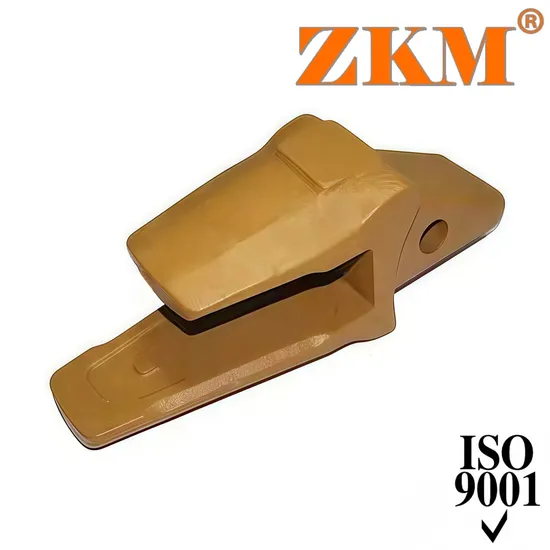
When it comes to heavy machinery, the efficiency and effectiveness of operations heavily rely on the quality of the equipment used. High-quality excavator Bucket tooth adapters stand out as crucial components that enhance digging performance. These adapters not only provide a secure fit for teeth but also ensure optimal transfer of forces during excavation work. As machinery tackles diverse terrains and challenging conditions, having reliable tooth adapters can make all the difference in maintaining productivity while minimizing downtime.
One of the key benefits of using high-quality excavator bucket tooth adapters is their durability. Made from robust materials, these adapters withstand the rigors of intense usage, reducing the frequency of replacements. Additionally, they often feature designs that allow for easy installation and removal, saving time and labor costs on the job site. The improved wear resistance means that despite the heavy workload, operators can trust that their machinery will deliver consistent results over time, making these adapters a worthwhile investment for any heavy machinery application.
Moreover, high-quality tooth adapters contribute to enhanced excavation precision. With a proper fit and design, they allow excavators to dig deeper and more efficiently, improving overall project timelines. The right adapters can improve the bucket's ability to penetrate soil and aggregate, effectively reducing the energy needed for operations. This translates to significant fuel savings and lower operational costs, positioning high-quality excavator bucket tooth adapters as essential components for any business focused on maximizing performance and profitability in heavy machinery tasks.
FAQS
: Excavator tracks affect stability and mobility, significantly enhancing machine performance with the right selection.
Rubber tracks offer flexibility and quiet operation, while steel tracks provide durability for rough conditions.
Over time, wear can reduce efficiency. Regular inspections help spot issues early and prevent larger problems.
Rubber tracks decrease ground pressure, offer excellent traction on uneven surfaces, and are quieter during operation.
Steel tracks can last up to double the lifespan of rubber tracks in abrasive conditions, but maintenance costs may be higher.
Operators must consider project specifics, environmental conditions, and the balance between durability and performance.
Yes, a knowledgeable supplier can provide tailored guidance based on specific project needs and conditions.
Unexpected wear can lead to mid-project replacements, resulting in costly and time-consuming interruptions.
Regular performance evaluations help identify early signs of wear, maintaining optimal functionality and reducing downtime.
Not all tracks meet high standards; researching reviews ensures better long-term performance and reduces costly breakdowns.
Conclusion
Excavator Tracks play a crucial role in construction equipment performance, directly impacting efficiency and safety on job sites. Understanding the types available, particularly rubber and steel, helps in making informed choices based on specific project needs. Key factors such as load capacity, soil conditions, and environmental impacts significantly influence the performance of these tracks.
Durability testing methods are essential for assessing the longevity and reliability of Excavator Tracks. Regular maintenance can significantly extend their lifespan, while being aware of signs that indicate it's time for replacement is vital to prevent operational downtime. Ultimately, selecting high-quality Excavator Tracks from reputable sources ensures optimal performance and durability throughout their use.